Diabetic Eye Exams

Diabetes is one of the most common chronic health conditions in the United States. According to the CDC, over 40 million Americans are estimated to have diabetes and over 115 million are estimated to have pre-diabetes. Diabetes occurs when the body has problems regulating blood sugar levels and needs intervention to help keep them stable. Unfortunately, diabetes can cause widespread problems throughout the body, and most people are unaware that it can cause vision issues and even blindness. For this reason, patients with diabetes should receive regular diabetic eye exams from an optometrist or ophthalmologist.
How can diabetes affect the eyes?
Diabetes can cause several issues within the eyes. For one, as blood sugar levels fluctuate, the lens in the middle of the eye can be greatly influenced by these fluctuations and can actually change shape. As the lens changes shape, vision changes as well and can be blurry. That's why if we perform a vision test, called refraction, while blood sugars are high, the vision out of those glasses may be blurry once blood sugars return to a lower level. Likewise, if your blood sugar fluctuates widely throughout the day, vision may become blurry intermittently.
Moving beyond just a glasses prescription, diabetes can affect several other parts of the eyes as well because of the damage it causes to blood vessels. Bleeding in the retina, which is at back of the eyes, can indicate a need for better blood sugar control. New blood vessel growth can also be seen from diabetes and can cause serious visual complications and extensive bleeding within the back of the eye. Furthermore, swelling in the area where your central vision is located can also occur, which causes blurriness and loss of vision.
Am I at risk for diabetic retinopathy?
Diabetic retinopathy is a condition caused by diabetes, and indicates that bleeding or other diabetic-related complications are occurring within the eyes. Anyone with Type 1 or Type 2 diabetes is at risk of developing diabetic retinopathy. However, some factors can put you at higher risk. These include:
Uncontrolled or poorly controlled blood sugar
Having had the disease for a long time
Having high blood pressure (hypertension)
Having high cholesterol
Receiving regular diabetic eye exams will ensure that your eye doctor is able to monitor your condition for any eye-related complications and provide early treatment and management should complications arise.

What to expect from a diabetic eye exam?
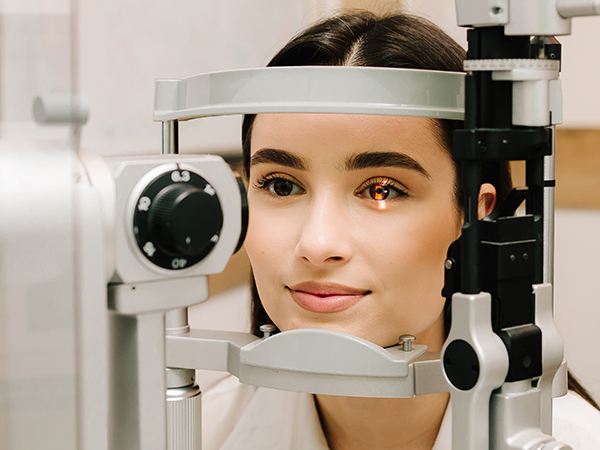
A diabetic eye exam takes a thorough look at the eyes and evaluates for any complications such as bleeding or swelling. It's important to inform your optometrist about your most recent blood sugar levels, your A1C, and the names of your endocrinologist and primary care provider. This information helps to form a holistic view of your eyes and a broader view of your health.
For patients with diabetes, a full comprehensive eye evaluation is essential. This includes a thorough look at the front and back of the eyes, including dilation. This process involves instilling eye drops that open up the pupils to allow a better view inside the eyes. Check out our blog post here for more information on dilation. Depending on what is found within the eyes, a digital retinal image can also be taken. Often, it can be helpful to have a retinal image because it becomes part of your health record and we can easily go back in time to view what changes have happened since your last visit.
Evaluating your vision is also an important aspect to any diabetic eye exam. However, if there are any concerns regarding eye health, sometimes it is necessary to wait on getting a new glasses or contacts prescription. Your eye doctor will go over any findings from the exam with you and give you suggestions on when you should be evaluated again. If any concerns arise, we will you through the next steps to ensure that your eyes, and your body, are healthy! Here at Eyes on Dover, we send diabetic eye exam reports to your other providers so that your entire healthcare team is on the same page regarding every piece of your health. We inform them of any findings within the eyes and communicate if these findings warrant changes such as better blood sugar control or referrals to a specialist.
If you have diabetes and it's been a while since you've had your eyes evaluated, now is a great time to get scheduled for a thorough evaluation! Call our office right here in Westlake, OH at 440-256-6894 to schedule a diabetic eye exam!
Quick Links
Helpful Articles
article_category: products
article_category: psychiatry
article_category: faqs
article_category: cats
article_category: general
article_category: services
article_category: technology
article_category: dogs
article_category: restorative
article_category: vision therapy
article_category: contact lenses
article_category: health
article_category: conditions
article_category: eye surgery co-management
article_category: exotic
article_category: cosmetic
article_category: surgical procedures
article_category: aesthetics
article_category: preventative
article_category: ocular disease management
article_category: eyeglasses
article_category: eye health
article_category: large animal
[]
article_category: psychiatry
article_category: faqs
article_category: cats
article_category: general
article_category: services
article_category: technology
article_category: dogs
article_category: restorative
article_category: vision therapy
article_category: contact lenses
article_category: health
article_category: conditions
article_category: eye surgery co-management
article_category: exotic
article_category: cosmetic
article_category: surgical procedures
article_category: aesthetics
article_category: preventative
article_category: ocular disease management
article_category: eyeglasses
article_category: eye health
article_category: large animal
[]
Flowbite is an open-source library of interactive components built on top of Tailwind CSS including buttons, dropdowns, modals, navbars, and more.
Check out this guide to learn how to get started and start developing websites even faster with components on top of Tailwind CSS.
All Eye Care Services
Find personalized eye care excellence with our comprehensive eyecare services in Westlake, Ohio. From eye exams to advanced diagnostics, trust us for all your vision needs.

Keep In Touch
For non-urgent questions or to learn more about our services, contact us today!
© 2026 Eyes on Dover. All rights Reserved - Accessibility Statement - Privacy Policy - Sitemap
Managed and Designed by 