Retinal Imaging

Many people think that an eye exam is only necessary to check for a new glasses or contact lens prescription. Oftentimes they believe that they only need to have their eyes checked when their vision starts to change. On the contrary, however, a comprehensive eye exam should be done every year to check not just vision but also the overall health of the eyes. In fact, one of the most important parts of an eye exam is checking the back of the eye.
The Importance of Retinal Imaging
The back of the eye, or the retina, is a thin layer of tissue that transmits light signals back to the brain. Examining this tissue is an important part of an eye exam and can provide significant insights to your eye doctor about both the health of your eyes and also your overall health. This can be done through dilation, where your optometrist gives you eye drops to open your pupils, or by retinal imaging.
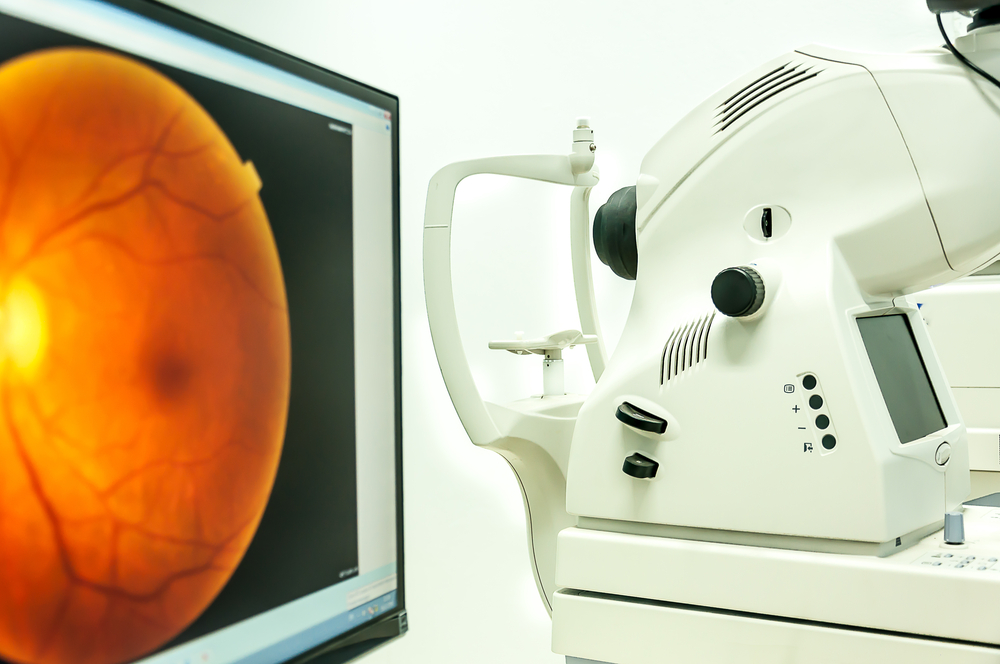
Retinal imaging is when a specialized camera takes a picture of the retina without having to dilate the eyes. This allows for a thorough examination of the eyes by creating a permanent image that gets stored in your health record and can be used to compare for any changes in the future. Regardless of which method is used, having an eye doctor view the inside of the eyes is an essential part of an eye exam and should be done at least once a year.
Advanced Digital Retinal Imaging Technology
Retinal imaging has gone through significant advancements in technology, and imaging methods that we have available today help improve diagnostic and therapeutic visual outcomes. There are several methods to image the retina, depending on what we are trying see and evaluate. One such method is through Optos Digital Retinal Imaging.
Optos imaging utilizes ultra-widefield technology to essentially capture a panoramic picture of the retina. The images that are taken with Optos help to provide a very comprehensive view of the retina. Often, because the images are very high quality, we are able to evaluate the retina thoroughly without using dilation drops.
At our optometry office here in Westlake, we offer the Optos as an alternative to dilation during a routine eye exam. This can make your eye exam a much more pleasant experience, and can speed up your appointment time as well, since we don't have to wait for the dilation drops to take effect.
Retinal Imaging Helps Detect Eye Conditions & Diseases
Retinal imaging is an invaluable tool used to detect and diagnose various eye conditions. Often, these are found during your annual comprehensive eye exam. Some of these eye conditions include:
Diabetic Retinopathy: Retinal imaging can reveal signs of diabetic retinopathy, which is a complication of diabetes. Diabetic retinopathy affects the blood vessels within the retina and can cause areas of swelling and bleeding. Early detection is essential to aid in timely intervention and management in order to help preserve vision. Your optometrist can also discuss these findings with your primary care doctor or endocrinologist so that they can monitor and adjust your treatment appropriately.
Macular Degeneration: Retinal imaging aids in the identification of age-related macular degeneration. This disease affects the area where you get your central vision, called the macula, and causes vision loss. Regular monitoring with retinal imaging provides valuable documentation on subtle changes that can occur with this condition.
Glaucoma: Retinal imaging can assist in the evaluation of the optic nerve and retinal nerve fiber layer, where changes related to glaucoma can be seen. Glaucoma is a slow loss of side vision over time often caused by high eye pressure. Early diagnosis is essential to preserving vision, and imaging can provide helpful comparisons between visits.
Retinal Detachment: Retinal imaging can reveal signs of retinal detachments or tears, which are serious conditions where the retina breaks away from its normal position in the back of the eye. This is an emergency and can cause blindness if not treated promptly.
Hypertensive Retinopathy: Retinal imaging can detect changes in the retina's blood vessels that are associated with hypertension, or high blood pressure. This can provide valuable information about your health and your optometrist can discuss these findings with your primary care doctor or cardiologist to help you better manage high blood pressure.
These are just a few examples of some of the more common eye conditions that can be detected and monitored through digital retinal imaging. Early detection of these diseases is often the key to preserving vision and maintaining overall eye health.
The Benefits that Retinal Imaging Provides for Early Detection and Prevention of Disease
Regular retinal imaging, such as once a year at your comprehensive eye exam, can provide numerous benefits in maintaining healthy eyes, and a healthy body! These images become part of your permanent health record and provide a baseline assessment of your eye health, which allows for very accurate evaluations of any changes over time. This allows your eye doctor to catch subtle changes early and can aid in preventing disease or initiating early treatment, which can improve long-term visual outcomes.
Digital retinal imaging through the Optos is a quick, painless, and non-invasive procedure. It offers a safe and effective means of evaluating the health of your eyes and ensuring optimal visual function.
If it's been a while since you've had an eye exam, call our office today at 440-256-6894 to schedule an appointment! With the advanced Optos technology in our Westlake office, we offer quick comprehensive eye exams without the hassle of dilation. Your eyes deserve the best care possible!
Quick Links
Helpful Articles
article_category: products
article_category: psychiatry
article_category: faqs
article_category: cats
article_category: general
article_category: services
article_category: technology
article_category: dogs
article_category: restorative
article_category: vision therapy
article_category: contact lenses
article_category: health
article_category: conditions
article_category: eye surgery co-management
article_category: exotic
article_category: cosmetic
article_category: surgical procedures
article_category: aesthetics
article_category: preventative
article_category: ocular disease management
article_category: eyeglasses
article_category: eye health
article_category: large animal
[]
article_category: psychiatry
article_category: faqs
article_category: cats
article_category: general
article_category: services
article_category: technology
article_category: dogs
article_category: restorative
article_category: vision therapy
article_category: contact lenses
article_category: health
article_category: conditions
article_category: eye surgery co-management
article_category: exotic
article_category: cosmetic
article_category: surgical procedures
article_category: aesthetics
article_category: preventative
article_category: ocular disease management
article_category: eyeglasses
article_category: eye health
article_category: large animal
[]
Flowbite is an open-source library of interactive components built on top of Tailwind CSS including buttons, dropdowns, modals, navbars, and more.
Check out this guide to learn how to get started and start developing websites even faster with components on top of Tailwind CSS.
All Eye Care Services
Find personalized eye care excellence with our comprehensive eyecare services in Westlake, Ohio. From eye exams to advanced diagnostics, trust us for all your vision needs.

Keep In Touch
For non-urgent questions or to learn more about our services, contact us today!
© 2026 Eyes on Dover. All rights Reserved - Accessibility Statement - Privacy Policy - Sitemap
Managed and Designed by 